Foot Core Resource 3—Building Foot Strength and Dynamic Control
What does foot-core training actually look like? This research-based protocol shows how to build strength from doming to dynamic control.
“Do foot strengthening” is common advice, but it is rarely explained.
What does foot strengthening actually mean in practice? How much? How often? And in what order?
In the first two resources in this series, we introduced the concept of the foot core and reviewed the 2020 study examining a structured foot-core training program.¹
Here, we shift focus.
This piece breaks down how that program was structured and how to apply its principles in a practical, progressive way.
The Structure: More Than Just Exercises
This well-researched, peer-reviewed program followed a clear progression: activation, strength, and integration.
Each phase built on the one before it. This sequencing matters and is likely one of the reasons the program is effective.
Phase 1: Activation
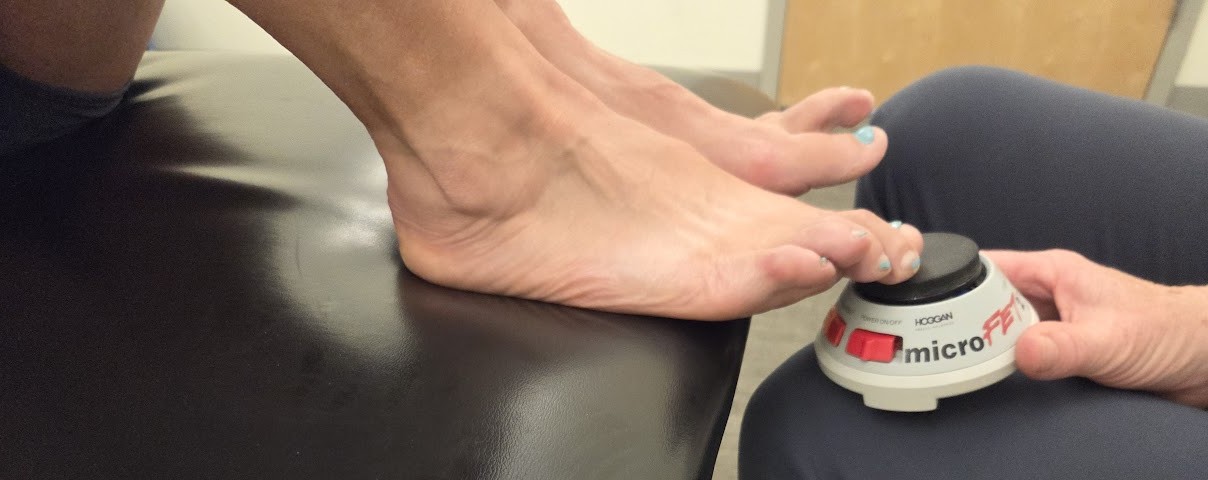
The first phase focuses on learning to use the intrinsic muscles of the foot. This is where doming comes in.
The goal is precise control. Gently draw the ball of the foot toward the heel, allowing the arch to lift without curling the toes. The foot remains relaxed, not gripping. Watch as I demonstrate foot doming in this video.
Toe yoga (watch video), the alternate lifting of the big toe and then, separately, the four little toes is another activation exercise. Practice this for a couple minutes a day until you can control these movements smoothly and consistently. Once this becomes easy, try squeezing the toes together and splaying them apart to further test your voluntary control.
The emphasis here is not effort. It is accuracy.
If the toes are gripping or curling in either exercise, the larger extrinsic muscles are taking over. In the clinic, I often ask people to relax their foot while I place the foot or the toes in the end position I am looking for. I then ask the person to hold the position, feel the muscle use, and then return to neutral before attempting the motion on their own. Feel free to use your hands to place your foot in the desired position as you learn these moves.
Phase 2: Strength
Once activation is consistent, the goal shifts to building capacity.
This can be done by increasing hold times during doming, adding repetitions, and progressing into standing positions. Light resistance may also be introduced: consider placing a piece of paper under the MTP joint of the big toe (joint at the ball of the foot) while holding a dome. Try to pull the paper out from under the toe. If the paper moves you need more work on your doming.
Apart from toe yoga and doming, the traditional towel-scrunching exercise (watch video) is also beneficial for toe flexor strength. This exercise can be done for about 2 x 45 seconds a couple times weekly to maintain toe flexor strength.
These exercises increase demand on the intrinsic system while maintaining the control established in the first phase.
Phase 3: Integration
In the final phase, foot control is applied to movement.
This is where foot-core strength begins to carry over to daily movement, including walking, hiking and running.
Examples include single-leg balance, balance board work, and controlled dynamic tasks such as dynamic warmup exercises completed from a domed position. The goal is to maintain foot control while the rest of the body moves. You can also incorporate a domed foot position into a few sets of heavier strength exercises such as squats, deadlifts, or standing overhead press.
In the clinic, toe yoga, doming, and other foot-strength exercises have been a cornerstone of my foot and ankle rehabilitation work for years. However, prior to the 2020 foot-core paper, I had been under-dosing this work. People left their courses of PT with solid control of the foot, and some increased strength. But no one ever told me their feet felt fatigued or sore from a foot program I prescribed. I find doming during heavy weight lifting and one-legged standing exercises to actually challenge the foot core, providing strength loads that actually matter. An athlete would not settle for lifting a weight that provided no challenge. If true foot strength is desired, and it should be, don’t settle for effortless foot strength exercises.
The Timeline: What Most People Miss
The most important practical finding from the research is that the benefits took time.
Injury rates did not improve immediately. They began to separate after 4 to 8 months.¹
This tells us that the foot core adapts slowly. It is a long-term investment, and consistency matters more than intensity.
This pattern is consistent with other tissues in the body. Bone, tendon, and connective tissue all require time to adapt. The intrinsic foot system appears to follow a similar timeline.
What This Means in Practice
If you want to apply this approach, focus on structure and consistency.
Train two to three times per week with more structured sessions, and add short, frequent exposure to doming throughout the week. Progress from activation to strength to integration, and keep the work controlled and specific.
Avoid jumping straight to balance work without control, relying only on general ankle exercises, or expecting meaningful change in just a few weeks.
This is not about doing more. It is about progressing correctly and staying consistent long enough to see change.
How This Fits With the Rest of Your Strength Training
Foot-core work does not replace other strength training. It complements it.
We know hip and trunk strength help guide movement generally. Foot-core strength helps manage what happens at the ground.
Together, they support a more resilient system.
The Takeaway
The effectiveness of this program is not just the exercises. It was the structure.
Activation first. Then strength. Then integration.
And enough time with consistent, short practice sessions for it to matter.
Reference
Taddei UT, Matias AB, Duarte M, Sacco ICN. Foot core training to prevent running-related injuries: a survival analysis of a single-blind randomized controlled trial. Am J Sports Med. 2020.