Foot Core Resource 2—How to Train the Foot Core: It Starts with Doming
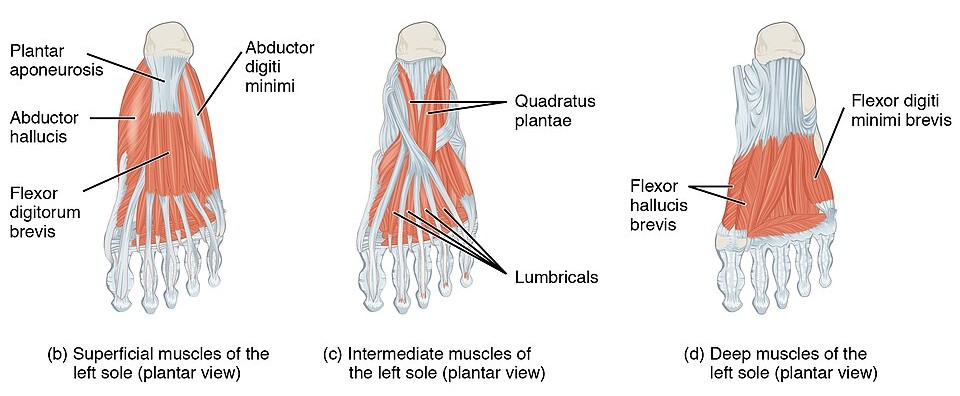
The foot core refers to the intrinsic muscles of the foot, the small stabilizing muscles that support the arch and help control how the foot interacts with the ground. Strengthening these muscles can decrease injury risk from the foot up.
Foot-core training does not start with balance drills or complex lower extremity movements.
It starts with learning how to use the foot.
In the research, this begins with a simple but precise skill: activating the intrinsic muscles of the foot. From there, it progresses toward strength and eventually integrates into movement.
This progression matters.
What We Mean by Foot Core
The foot core refers to the intrinsic muscles of the foot, the small stabilizing muscles that support the arch and help control how the foot interacts with the ground.
These muscles support and adjust the arch, help control foot stiffness, and influence how force is absorbed and returned with each step.
They are small, but their role is not.
Learn Doming: The Remainder of this Resource Focuses on this One Critical Movement
The foundation of foot-core training is often called the “short foot” or “doming” exercise.
The goal is simple, but precise. Gently draw the ball of the foot toward the heel while keeping the joints at the base of the toes in contact with the ground. This action both shortens the length of the foot and lifts the arch to form a dome. The toes stay relaxed.
Initially this is a control exercise, not a strength exercise.
Your effort will be one of coordination of movement rather than brute strength. We like to think of it as improving the foot-brain connection.
See our foot doming video for precise instruction.
Common Mistake
Most people try to grip the ground with their toes.
That strategy uses the extrinsic muscles, the larger muscles that originate in the lower leg and bend the toes. The goal here is different. You are trying to engage the smaller intrinsic muscles within the foot.
If the toes curl, or you cannot keep the big toe joint in contact with the ground, you have missed the target.
Doming is often difficult to feel at first. That is normal. But if you are unable to perform it with control after about a week of practicing for a few minutes a day, it may be worth working with a physical therapist or movement specialist. Someone with foot and ankle or running expertise is often the best fit.
What Comes Next
Once you can perform doming with control, the next phase is to build on that foundation.
You begin by developing strength in the intrinsic muscles, then apply that control in standing and single-leg positions, and eventually integrate it into movement.
These steps matter, but they only work if the foundation is solid.
We walk through this full progression, including how to structure it over time, in our Foot-Core Protocol resource.
How Often Should You Practice
Short, frequent exposure works best.
Think daily or near-daily practice for doming. These muscles are designed for continuous, low-level activity, and they respond best to consistency rather than intensity. We encourage people to practice for 1 or 2 minutes daily until they learn to execute the motion flawlessly. This will take some time, and we feel short practice sessions decrease the frustration than can occur with attempting to master the movement within just a couple sessions.
What Most People Get Wrong
The most common errors are consistent. Skipping the control phase. Gripping with the toes instead of controlling the arch. Rushing into balance or dynamic work. Expecting fast results.
This is a low-load, high-skill starting point, and it sets the stage for everything that follows.
In the next resource, we build strength on this foundation.
The Takeaway
Foot-core training begins with control.
Doming is the entry point.
Build that skill first, and the strength and integration that follow will be more effective.
References
Taddei UT, Matias AB, Duarte M, Sacco ICN. Foot core training to prevent running-related injuries: a survival analysis of a single-blind randomized controlled trial. Am J Sports Med. 2020.
Physiopedia. Intrinsic Foot Muscles.